Business Name: BeeHive Homes of Maple Grove
Address: 14901 Weaver Lake Rd, Maple Grove, MN 55311
Phone: (763) 310-8111
BeeHive Homes of Maple Grove
BeeHive Homes at Maple Grove is not a facility, it is a HOME where friends and family are welcome anytime! We are locally owned and operated, with a leadership team that has been serving older adults for over two decades. Our mission is to provide individualized care and attention to each of the seniors for whom we are entrusted to care. What sets us apart: care team members selected based on their passion to promote wellness, choice and safety; our dedication to know each resident on a personal level; specialized design that caters to people living with dementia. Caring for those with memory loss is ALL we do.
14901 Weaver Lake Rd, Maple Grove, MN 55311
Business Hours
Monday thru Sunday: 7:00am to 7:00pm
Facebook: https://www.facebook.com/BeeHiveMapleGrove
Families hardly ever intend these choices much beforehand. Regularly, a loss, a new medical diagnosis, or the slow-moving creep of caregiver exhaustion brings the question dementia care BeeHive Homes of Maple Grove to the table: should we look at assisted living, or can we arrange in-home senior treatment and maintain Mom where she is? I have actually rested with loads of family members at that crossroads. The right choice depends much less on an abstract choice and even more on concrete realities, like the shower room design, drug complexity, night wandering, and the state of the family's stamina and budget.
What follows is a grounded comparison, drawn from real cases and the kinds of trade-offs people only acknowledge as soon as they remain in the thick of it. There is no one-size solution. There are, nevertheless, patterns, cost arrays, and warning signs that aid you decide with eyes open.
What "assisted living" truly supplies, and what it does n'thtmlplcehlder 6end. Assisted Living neighborhoods are developed for older grownups who require help with day-to-day tasks yet do not require the constant clinical oversight of a nursing home. In practice, that means aid with showering, dressing, brushing, toileting, and medicine monitoring, plus dishes, housekeeping, and activities. The majority of neighborhoods personnel with caregivers and med technologies all the time, with a nurse on site or available. The apartment or condo is exclusive, commonly a studio or one-bedroom, with an accessible shower room and emergency situation draw cables. The society differs commonly. Some feel like a vibrant condo with a service overlay. Others are quieter, with more medical undercurrents. There are restrictions that families often miss throughout the tour. Helped living is not individually care. Staff-to-resident proportions could resemble one caretaker for 10 to 15 citizens during the day, extending thinner in the evening. If your papa needs a person literally beside him to stop drops each time he stands, you will certainly either supplement with a personal caregiver or consider a greater level of care. Medical care is helpful, not severe. The team will certainly collaborate with outside service providers, however they are not a competent nursing center. If insulin dosing is made complex or the oxygen needs are unpredictable, the fit might wobble. The huge upside is predictability. Dishes get here whether you shop or not. The shower is roll-in and the water temperature level managed. Someone is awake at 2 a.m. if an alarm seems. Social get in touch with takes place without a vehicle trip. Households typically report that the fear dial turns down a couple of notches, also if the very first month is bumpy. What in-home senior care can do beautifully, and where it strains
In-home Senior citizen Care spans from a few hours a week of buddy check outs to 24-hour protection. Nonmedical home care firms send caretakers that aid with bathing, dressing, light housekeeping, meals, transport, and guidance. If your mom has strong emotional origins in her home, if a precious dog rests at her feet, if the garden is her therapy, staying may protect routines that support state of mind and function. For those with early memory loss, familiar surroundings decrease frustration and complication. For those recovering from surgical treatment, home health and wellness solutions, which are clinical and usually covered by insurance policy temporarily, can layer in skilled nursing and treatment visits.
The stress and anxiety points turn up with intricacy and time. If demands are intermittent, like two showers a week and a couple of adventures to consultations, in-home treatment sparkles. If demands are scattered throughout the day and night, the costs accumulate fast unless the family members covers several hours themselves. Nighttime issues, like sleeping disorders, straying, and sundowning, change the calculus. An overnight caretaker is a video game changer, but spending for seven evenings a week at private-pay prices adds up to a mortgage-sized costs. Residences themselves can withstand the job: slim corridors, stairways with no rail, a tub that demands a climb, throw carpets that launch falls. Retrofitting can work marvels, yet some formats battle you.
Then there is the human element. The most effective agencies work hard at consistency, yet caretakers live, diseases, and turn over. Even a secure instance typically includes replacements. Some seniors adjust. Others decline the concept of a "unfamiliar person" in the house and sabotage the arrangement. Households commonly find themselves as schedulers-in-chief, discussing protection, filling voids, and fielding final texts.
About the cash: practical arrays and what drives them
Families are entitled to ordinary numbers. Rates differ by area, however the auto mechanics correspond across the United States.
Assisted Living commonly bills a base month-to-month lease plus tiered care costs. In many markets, the base for a workshop runs between 3,500 and 5,500 bucks per month, with one-bedrooms climbing from there. Treatment levels layer on 500 to 2,500 dollars or more, depending upon needs like aid with transfers, urinary incontinence, or medication management. Memory Care, which is a protected setup customized to dementia, usually starts greater, typically 6,000 to 9,000 dollars per month, often much more in significant metro locations. Anticipate an in advance area charge, typically equal to one month's rental fee or a flat 2,000 to 5,000 bucks. Cord, phone, and sometimes individual laundry may be additional. The elevator pitch is complete, yet checked out the service strategy. Escorts to dishes, nightly checks, or two-person transfers can add cost.
In-home treatment is usually billed per hour, with a common agency minimum of 3 to 4 hours per visit. Per hour prices in many locations land in between 28 and 40 bucks for nonmedical care, higher in coastal cities. Live-in plans, where a caregiver sleeps on site, are billed every day, commonly 300 to 450 dollars, yet true 24-hour awake treatment is billed hourly, not as live-in, since nobody can safely work all the time. For a harsh budget plan, 8 hours a day, 7 days a week at 32 dollars per hour is about 7,168 dollars per month. Twenty-four-hour coverage can go beyond 20,000 dollars month-to-month with firms. Employing privately can be less expensive, but you end up being the company and handle payroll tax obligations, employees' settlement direct exposure, vetting, and back-up coverage.
Insurance helps in minimal methods. Medicare does not pay for long-lasting custodial care, whether in the house or in assisted living. It will cover recurring home health after a certifying requirement, yet that is time-limited and clinical, not showering and food preparation. Long-lasting treatment insurance coverage, if purchased years back, can subsidize either setting, though policies differ on everyday advantage caps and elimination periods. Experts' Help and Presence can give a number of hundred to over a thousand dollars monthly for qualified experts and making it through partners. Medicaid can cover assisted living or in-home services through waivers in many states, however gain access to relies on both monetary qualification and program ability. Waiting checklists are common. Prior to you presume assistance is difficult, ask a neighborhood aging solutions office or a respectable senior care consultant to map what exists in your state.
Memory care for moms and dads: when mental deterioration changes the decision
Dementia is where the lines between settings issue. Family members often ask whether to maintain a moms and dad at home with a companion, or relocate to Memory Care. The solution hinges on security, habits, and caregiver stress. Beforehand, a few hours a day of cueing and friendship in the house may be excellent. As symptoms progress, 2 points typically push the choice: evening roaming and uncertain actions. I have actually worked with family members whose enjoyed one switched on the cooktop at 3 a.m., went out the front door, or ended up being suspicious and physically immune to assist. In those situations, a Memory Treatment area provides a safe atmosphere with alarmed doors, staffing that anticipates habits and knows redirection strategies, and structured days that dampen agitation.
That claimed, Memory Treatment is not a magic stick. The environment issues. Some communities are boosting in a great way, with silent areas for decompressing. Others really feel frustrating. If your parent is a lifelong autist, a small home-like setting, commonly called a property care home or board-and-care, can be gentler than a 60-apartment system. If Papa still walks a mile a day and loves the yard, a fenced yard at home may sustain him longer than a locked hallway. Be cautious of the gap in between advertising and practice. Ask just how they take care of a citizen who declines a shower, or one who packs a bag daily to "most likely to work." The answer tells you if staff are learnt dementia care or winging it.
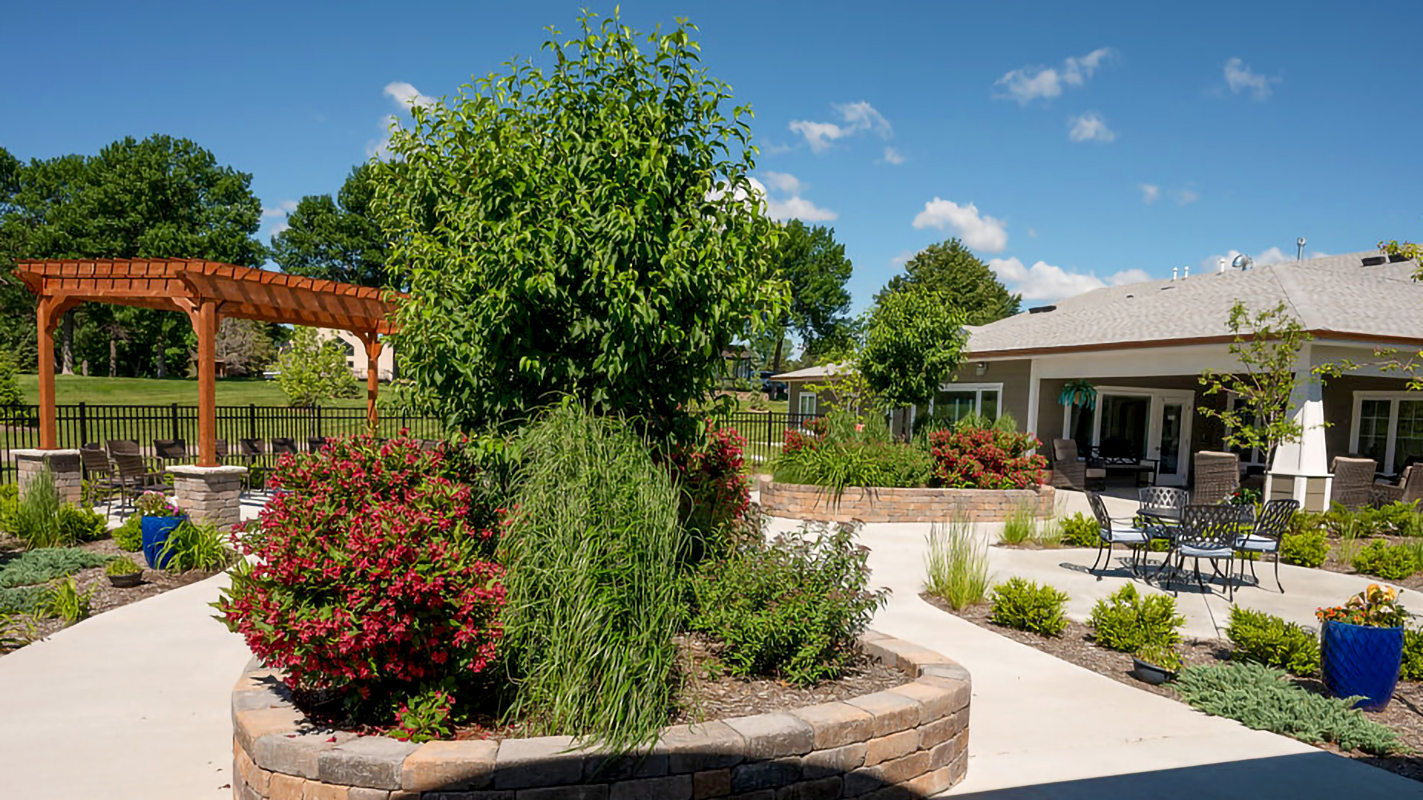
The lived experience: just how it really feels day to day
Numbers and solutions matter, however life is more granular. Below are scenes I have actually seen play out.
A retired nurse, widowed, with moderate Parkinson's and near-perfect exec function, relocated to aided living due to the fact that she was tired of the house job. She thrived. She placed on 5 needed extra pounds because she stopped skipping lunch. She handled the informal librarian duty in the community. The trade-off she approved was less control over timing. Supper came to 5:15 p.m., not 7 p.m., and a various caretaker may help on Tuesday than on Wednesday. She liked the predictability helpful greater than the autonomy of being alone.
A couple in their late eighties wished to stay home. He had mental deterioration, she did not. They tried agency caregivers 3 days a week and enjoyed two of the 4 who rotated. The third sufficed, the fourth had a perfume that triggered migraines. They mored than happy, up until he started waking at 2 a.m. repeatedly, setting off motion sensors and startling her awake. They included over night treatment 2 nights a week. After a month, she confessed the other five nights were trashing her rest and heart rhythm. Moving him to Memory Care permitted her to be his better half and advocate once more, not his worn down warden.
A child insisted his mother would not leave her house. She dropped in the washroom. The tub had a 17-inch side, impossible to tip over securely despite grab bars. They installed a walk-in shower and a portable showerhead, plus an increased commode seat with arms. A part-time caregiver came four mornings a week to aid with showering and to prep meals for the day. They included a medication dispenser with timed alarms due to the fact that her pill count was a mess. It worked, since her demands were clustered in the morning and she rested in the evening. The investment in the bathroom spent for itself contrasted to a move.
These are not global outcomes, yet they highlight the joint factors that matter: timing of needs, over night behavior, environment, and medicine complexity.
Safety, guidance, and error rates
Care has a mistake rate. That might appear severe, however it is truthful. In assisted living, the most usual errors are hold-ups. Your mommy presses a phone call necklace, and it takes 10 mins for someone to get here because one more homeowner fell. The worst occasions I have actually seen in assisted living commonly involve residents who required more guidance than the model can provide, like an unsteady walker that insists on going alone to the washroom after twelve o'clock at night. Supplementing with exclusive one-to-one care inside the neighborhood is a choice, yet it adds cost.
At home, the mistakes often entail disparity. A caregiver may disappoint up on time, leaving your papa alone longer than intended. A family member could think the company caretaker handled the noon tablets when the task was no more on the treatment strategy. The physical atmosphere adds, as well. A rosy-cheeked home can hide hard sides, like scatter carpets, reduced lights, and staircases with no different tape on the edge. You can reduce these risks with straightforward solutions. Brighten corridors in the evening with motion-sensing lights. Eliminate rugs or tape them down. Set up a shower chair, not simply get hold of bars. Include a bed alarm if roaming is a threat, but think about whether it will certainly startle and cause an autumn. Adjust treatments to the person.
Social life: isolation, excitement, and control
Social get in touch with underpins wellness. Aided living communities provide an instantaneous community. The calendar usually consists of exercise courses, music, talks, crafts, and getaways. Whether your parent takes part is an additional story. Some join whatever. Others prevent team tasks and still gain from laid-back interactions in corridors and dining rooms. Isolation is feasible in any type of setting, however it is harder to be entirely alone in assisted living if dishes are shared.
At home, social life needs logistics. For senior citizens that drive safely or have household nearby, it can be rich. For those who surrendered the cars and truck and reside in a suv dead end, days can stretch slim. Senior citizens who claim they choose home sometimes suggest they prefer control. Think about hybrid services: grown-up day programs a couple of days a week, church teams that organize experiences, or a companion caretaker understood for drawing individuals out. If your mommy was the one who constantly held Thanksgiving, shedding that duty can hit identity hard. Invite her to keep duties, scaled to power. Ask her to be "chief cup" for a family members recipe evening or host a tea with a neighbor and the caretaker sustaining in the kitchen.
The household caretaker's bandwidth
Care plans live or die on the power of household caregivers. I have seen grown-up children build timetables worthwhile of an air web traffic controller, only to stress out by month 3. Be sincere regarding that will certainly do what, when, and for how long. If you are the only kid around and you also have a permanent task and 2 teenagers, a plan that counts on you covering most nights will certainly fall down. It is not an ethical stopping working, it is math.
Respite issues. Aided living and Memory Treatment can work as reprieve, also if the long-lasting plan is home. A brief remain of 2 to four weeks after a hospitalization lets the senior restore toughness while you regroup and adjust your home. Some assisted living neighborhoods supply equipped reprieve rooms. Insurance rarely pays for this, however the modest costs over the monthly rate can be worth it for the lift it offers the household system.
Red flags that suggest you should lean one way or the other
Here is a short, functional checklist of tipping-point indicators, collected from years of assessments and household meetings.

- Consider assisted living or Memory Care if requirements are frequent throughout the day and night, if two-person transfers are needed, if roaming has actually taken place, or if caregiving is turning among tired member of the family without relief in sight. Consider at home treatment if assistance is clustered at foreseeable times, if the home can be made safe with moderate changes, if a spouse or grown-up child lives neighboring and is willing to work with, and if routines in your home support health more than a relocation would.
If you are still stuck, attempt a time-limited experiment. Devote to 60 days of enhanced at home assistance, with a clear schedule and contingency strategy if evenings become risky. Or test an assisted living break stay, with a scheduled right to return home if it does not fit. Decisions feel lighter when you are not claiming they are forever.
Costs past cash: freedom, identification, and friction
Every option spends, not just bucks. Relocating to assisted living invests some freedom. Meal times are set, and there is a roommate down the hall that plays the television a little loud. Staying at home invests power and uncertainty. If a caregiver no-shows, you rush. If Mother declines a shower for 5 days, you may come to be the crook. It prevails for adult kids to predict their very own preferences. Pause and ask your moms and dad what issues most everyday. Some will state personal privacy. Others will certainly claim safety. A few will certainly shock you with humor. One papa informed me, Park me where the coffee is hot and the newspaper gets here before 7 a.m. That, he stated, is civilization.
Consider the shift costs. Actions are hard, however they are likewise finite. The first 2 weeks in assisted living can be rough as new routines settle. In-home care has a slower burn. The frictions are smaller however duplicated: organizing, secrets, directions left on the counter, intros to brand-new caregivers.
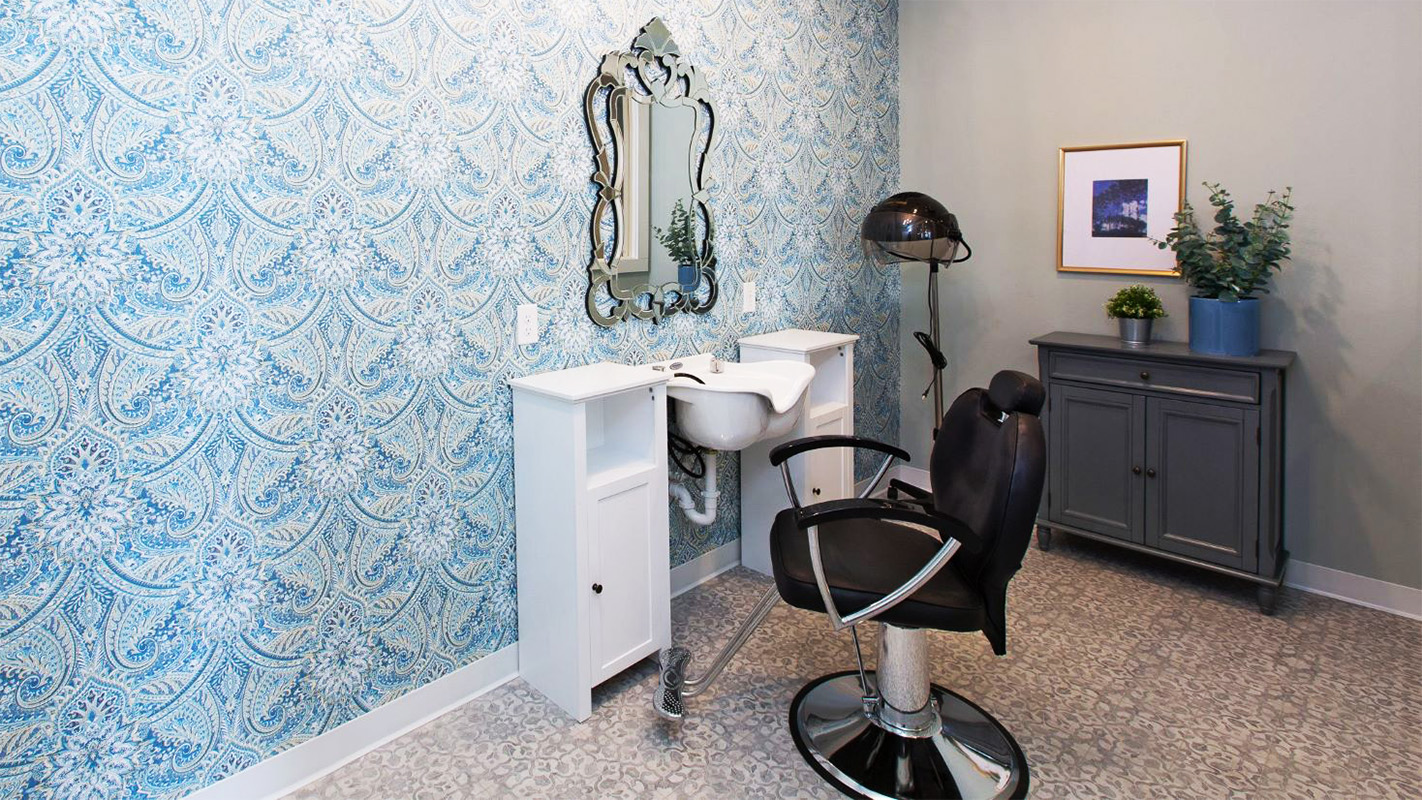
How to vet quality: concerns that disclose the truth
Tours and pamphlets inform component of the story. Direct inquiries, asked without apology, disclose more.
- At an assisted living or Memory Care community, inquire about over night staffing numbers, the ordinary action time to necklace telephone calls, and how frequently care strategies are updated. Fulfill the nurse, not just the sales supervisor. Request instances of how they managed a loss last week and a resident who rejected medications. Eat a dish in the dining room and see exactly how personnel talk to locals. Stand near the elevators at shift modification, not simply throughout the scenic tour hour. For in-home care, ask the agency concerning back-up protection, just how they manage a late or missing caretaker, and whether you fulfill the caregiver before the initial change. Clarify that educates on the care plan and just how changes are communicated. Validate their employees are W-2 staff members covered by employees' compensation. If they propose live-in care, ask the number of continuous hours the caretaker will certainly rest and that covers throughout those hours if your parent requires help.
You are not being difficult. You are doing due diligence for Senior citizen Care.
The special case of assisted living for a parent at a distance
Adult kids who live away encounter additional stress. If you are a two-hour flight from your mom, in-home treatment calls for a regional factor person, paid or family members. Helped living can provide the oversight you can not supply from afar, however it is still worth arranging a local supporter. Consider employing a treatment supervisor, often called a geriatric care manager or aging life care expert, for regular check-ins and to attend treatment strategy meetings. A monthly record with pictures and notes is gold when you can not drop in.
Distance additionally impacts emergencies. If your father remains in aided living, a loss causes a telephone call from the nurse, and they prepare the medical facility transfer. If he goes to home with a caregiver, the company trains for emergency situations, however the caregiver may be alone and rattled. Both situations can work. The difference is that collaborates in the first chaotic hour.
Building a realistic spending plan and timeline
Most households undervalue 2 things: how much time the need will certainly last and exactly how promptly prices can rise with intricacy. Map a base case and a stretch instance. If the base situation is 2 years at 6,000 dollars per month for assisted living, ask what happens if it ends up being 4 years with memory treatment costs pushing the total to 8,500 bucks. If the home treatment base case is 30 hours a week, rate 60 and 80 hours. If the numbers break the plan, bring that right into the open. Often offering a house previously rather than later funds much better care and reduces danger. Sometimes moving in with a member of the family functions well for a period, especially if you can take real break and privacy on both sides.
When to review the decision
Care plans are living files. Triggers for reevaluation consist of a hospitalization, a brand-new fall with injury, significant weight reduction, increased urinary incontinence, or brand-new habits like wandering, hostility, or concealing medicines. On the family members side, take into consideration caregiver wellness. If the primary spouse-caregiver's blood pressure spikes or the adult youngster's work is at threat, that is a trigger also. Arrange formal evaluations. For aided living, participate in quarterly treatment meetings and request for information, not just perceptions. For home care, hold regular monthly check-ins with the company manager and the caretaker, also if it's going well. Small course corrections very early avoid crises.
A quick tale of a pivot done well
A daughter called after her mom, a former instructor with advancing Alzheimer's, started losing her dentures and implicating the mailman of burglary. She lived alone on a quiet street. They began with day-to-day mid-day in-home treatment, the home window when sundowning hit hardest. The caregiver was a retired art therapist who brought watercolors and songs. It benefited 4 months. After that evening roaming started. They added an overnight caretaker three nights a week, but the rest disturbance on off evenings left her mom worn down and the daughter distressed. After a family members meeting, they arranged a respite month in Memory Care. The personnel coaxed her into a rhythm with acquainted tunes from her training years and a morning strolling club. The daughter saw most evenings, usually joining the team for a problem. After 3 weeks, her mother stopped asking to go home and started asking when the songs began. They made the move irreversible. The child's voice transformed, lighter. She stated, I can be the daughter again.
That arc is not universal, but it prevails enough to map a path: begin with the least turbulent assistance, include structure as demands grow, move settings when safety and security and rest tip the scale.
Final thoughts to assist a certain choice
You are selecting in between 2 good options, each with rubbing. Helped living deals framework, social life, and 24-hour protection, at the expense of some freedom and a monthly fee that is substantial however predictable. In-home elderly treatment maintains area, animals, and rhythms, with costs that scale with requirement and a management lots that remains on the household's shoulders. Memory look after moms and dads with dementia is a specific part, justified when behaviors or safety and security outstrip what a home can soak up or when the household's health goes to risk.
Start with the person, not the setting. Listing what issues most to them in regular language: warm coffee early, the feline on the bed, a safe shower, somebody close by during the night, a garden, a silent area. Build outward from that. Walk the mathematics, including the tired days and the 2 a.m. hours, not simply the warm afternoons. Ask blunt questions of service providers. Test, procedure, and readjust. Good Elder Treatment is not a solitary choice, it is a series of prompt, humane telephone calls made with clear eyes and stable hearts.
BeeHive Homes of Maple Grove provides assisted living care
BeeHive Homes of Maple Grove provides memory care services
BeeHive Homes of Maple Grove is a memory care home for seniors
BeeHive Homes of Maple Grove provides respite care services
BeeHive Homes of Maple Grove offers 24-hour support from professional caregivers
BeeHive Homes of Maple Grove offers private bedrooms with private bathrooms
BeeHive Homes of Maple Grove provides medication monitoring and documentation
BeeHive Homes of Maple Grove serves dietitian-approved meals
BeeHive Homes of Maple Grove provides housekeeping services
BeeHive Homes of Maple Grove provides laundry services
BeeHive Homes of Maple Grove offers community dining and social engagement activities
BeeHive Homes of Maple Grove features life enrichment activities
BeeHive Homes of Maple Grove supports personal care assistance during meals and daily routines
BeeHive Homes of Maple Grove promotes frequent physical and mental exercise opportunities
BeeHive Homes of Maple Grove provides a home-like residential environment
BeeHive Homes of Maple Grove creates customized care plans as residents’ needs change
BeeHive Homes of Maple Grove assesses individual resident care needs
BeeHive Homes of Maple Grove accepts private pay and long-term care insurance
BeeHive Homes of Maple Grove assists qualified veterans with Aid and Attendance benefits
BeeHive Homes of Maple Grove encourages meaningful resident-to-staff relationships
BeeHive Homes of Maple Grove delivers compassionate, attentive senior care focused on dignity and comfort
BeeHive Homes of Maple Grove has a phone number of (763) 310-8111
BeeHive Homes of Maple Grove has an address of 14901 Weaver Lake Rd, Maple Grove, MN 55311
BeeHive Homes of Maple Grove has a website https://beehivehomes.com/locations/maple-grove/
BeeHive Homes of Maple Grove has Google Maps listing https://maps.app.goo.gl/n99VhHgdH879gqTH8
BeeHive Homes of Maple Grove has Facebook page https://www.facebook.com/BeeHiveMapleGrove
BeeHive Homes of Maple Grove won Top Memory Care Homes 2025
BeeHive Homes of Maple Grove earned Best Customer Service Award 2024
BeeHive Homes of Maple Grove placed 1st for Senior Living Memory Care Communities 2025
People Also Ask about BeeHive Homes of Maple Grove
What is BeeHive Homes of Maple Grove monthly room rate?
The rate depends on the level of care that is needed. We do an initial evaluation for each potential resident to determine the level of care needed. The monthly rate is based on this evaluation. There are no hidden costs or fees
Can residents stay in BeeHive Homes of Maple Grove until the end of their life?
Usually yes. There are exceptions, such as when there are safety issues with the resident, or they need 24 hour skilled nursing services
Does BeeHive Homes of Maple Grove have a nurse on staff?
Yes. We have a team of four Registered Nurses and their typical schedule is Monday - Friday 7:00 am - 6:00 pm and weekends 9:00 am - 5:30 pm. A Registered Nurse is on call after hours
What are BeeHive Homes of Maple Grove's visiting hours?
Visitors are welcome anytime, but we encourage avoiding the scheduled meal times 8:00 AM, 11:30 AM, and 4:30 PM
Where is BeeHive Homes of Maple Grove located?
BeeHive Homes of Maple Grove is conveniently located at 14901 Weaver Lake Rd, Maple Grove, MN 55311. You can easily find directions on Google Maps or call at (763) 310-8111 Monday through Sunday 7am to 7pm.
How can I contact BeeHive Homes of Maple Grove?
You can contact BeeHive Homes of Maple Grove by phone at: (763) 310-8111, visit their website at https://beehivehomes.com/locations/maple-grove, or connect on social media via Facebook
Weaver Lake Community Park provides a serene lakeside walk perfect for assisted living and memory care residents to enjoy fresh air and gentle scenery during senior care and respite care outings.